


Curriculum 2020 Subjects
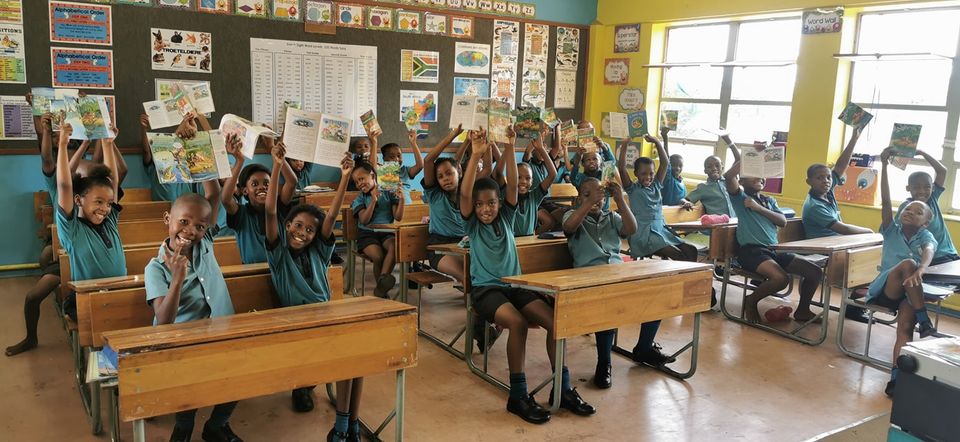
Foundation Phase – Grades 1 – 3
This is a critical phase of the learner’s formative years where the foundation is laid for fundamental skills such as ethics, social behavior and basic learning techniques in language, mathematics life skills.
Mathematics
Mathematics consists of effective number sense, identifying patterns, space and shape, measurement, and data handling.
Languages
Language skills include listening and speaking, reading and phonics, handwriting and writing.
Life Skills
Beginning knowledge in social, natural, and technological sciences. Personal and social well-being. Creative arts including dance, drama, and music. Physical education pertaining play, movement, games, and sports.
Intermediate Phase – Grade 4 – 6
This phase of the learner’s education focusses more on technical and academic skills. Leaners are introduced timetables, assessment and daily activities including homework.
English
English is presented as the home language. The skills include listening and speaking, reading and viewing, writing and presenting, language structure and conventions.
Afrikaans
Afrikaans is presented as the first additional language. The skills include listening and speaking, reading and viewing, writing and presenting, language structure and conventions.
Mathematics
Number range increases and fractions are introduced. Numeric and geometric patterns, functions and algebra. Space and shapes in 2D and 3D, symmetry and transformation. Measurement including length, mass, capacity, temperature and time. Collecting, organising, and analysing data.
Life Skills
Life skills focusses on personal and social well-being. This includes physical education pertaining play, movement, games, and sports and creative arts including dance, drama, music and visual arts.
Natural Science and Technology
Natural sciences is the study of matter and materials, energy and change, live and living, earth and beyond, structures and mechanisms.
Social Science
The social sciences consist of history and geography. History includes topics like local history, world leaders, and the evolution of transport and medicine. Geography includes topics like map skills, weather, climate and vegetation, minerals and mining and population.
Senior Phase – Grade 7
This phase of the learner’s are introduced to a variety of subjects. A more structure learning curriculum is followed by giving the learners informal or daily assessment, formal assessments during the year as well as year-end examinations.
English
English is presented as the home language. The senior phase focusses on more advanced skills in listening and speaking, including speeches, reading aloud, debate, dialogue and report writing. Comprehensive reading skills are develop through the interpretation of poetry, drama, film study and novels. And lastly advanced writing skills are developed through planning, drafting and presenting of essays, transactional text and literary text.
Afrikaans
Afrikaans is presented as the first additional language. The senior phase focusses on more advanced skills in listening and speaking, including speeches, reading aloud, debate, dialogue and report writing. Comprehensive reading skills are develop through the interpretation of poetry, drama, film study and novels. And lastly advanced writing skills are developed through planning, drafting and presenting of essays, transactional text and literary text.
Mathematics
The senior phase lays the foundation for work in algebra through ordering, comparing and calculations using whole numbers, representing numbers in exponential form and use of common fractions and percentages to solve problems. These skills will be used to recognize and interpret algebraic expressions and graphs. The curriculum also includes construction and transformation of geometric figures in 2D and 3D, data handling and measuring surfaces and volumes.
Natural Science
Senior phase natural science is divided into 4 topics. The first topic is in live and living which explains the requirements of sustaining life, classification of living things and the reproduction system. The second topic is in matters and materials which includes properties of materials, acids, bases and neutrals and an introduction of the periodic table. The third topic is energy and change, including sources of energy, potential and kinetic energy and heat transfer. The last topic is about the planet earth, the relationship of the Sun to the Earth, the Moon and historical development of astronomy.
Social Science
The social sciences consist of history and geography. History includes topics like the kingdom of Mali in the 14th century, transatlantic slave trade, colonisation of the cape in the 17th century and the co-operation and conflicts on the frontiers of the Cape Colony. Geography includes topics like map skills, earthquakes, volcanoes and floods, population growth of the word and natural resources and conservation in South Africa.
Technology
The second phase starts with an introduction to technology. Simple mechanisms are introduced like levers, hydraulics and pneumatics. Mechanical skills are introduced include design skills for technological structures like cell phone towers, simple electrical systems (magnetism and simple electrical circuits) and mechanical systems like cranks and pulleys.
Economic Management Sciences
EMS include topics like economy, financial literacy and entrepreneurship. Economy introduces the learners to the history of money, needs and wants, goods and services, the working of the government and economic systems. Financial literacy teaches the learners about saving, budgeting, income and expenses and accounting concepts. And lastly learners are introduced to entrepreneurship , starting a business, functions of a business and creating a business plan.
Life orientation
Life skills focusses on development of the self in society. This includes the concept of self-image, puberty, peer pressure and diet and nutrition. The learners are also taught about health, social and environmental responsibility, constitutional rights, career fields and physical education.
Arts and Culture
The learners will be introduced to difference types of art, including, dance, drama, music and visual arts. The curriculum includes practical skills and a basic understanding of the theory, terminology and history.